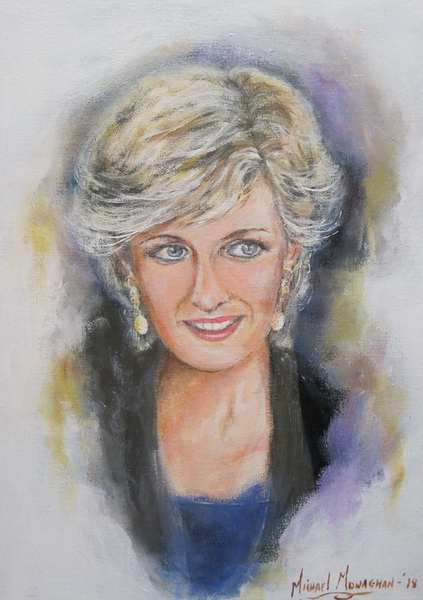
Open grief, mass hysteria and even suicide. That is what followed princess Diana’s death in a car crash in late August 1997. People that had never known, or even seen the princess in real life, felt so strongly for her that they couldn’t live in a world where she didn’t.
During the early period after her death, the number of people taking their life increased by 40, according to National Institutes of Health. The impact was greatest on women, particularly women close in age to Diana herself, who died at 37. The rate of suicide in women increased some 34% in the month after Diana’s death, and in women aged 25-44 the rate increased by over 45%.
45%!
The chock must’ve surely been great. Each person had their own reasons, but the fact is that they could not live after Diana had died. It was a deeply tragic consequence of her death. What is undeniable, however, is that it remains significant to speak about her life and legacy, and not only for that reason. The subject is far too complex to unravel in a single blog post, but the inspiration for writing this came to me while reading Andrew Morton’s memoir Diana: Her true story – in her own words. . He articulated many things I had previously struggled to put into words.
“…if Diana had lived for ever, the media would never have understood or appreciated her. When she looked at a rose she savoured its beauty, they counted the petals”.
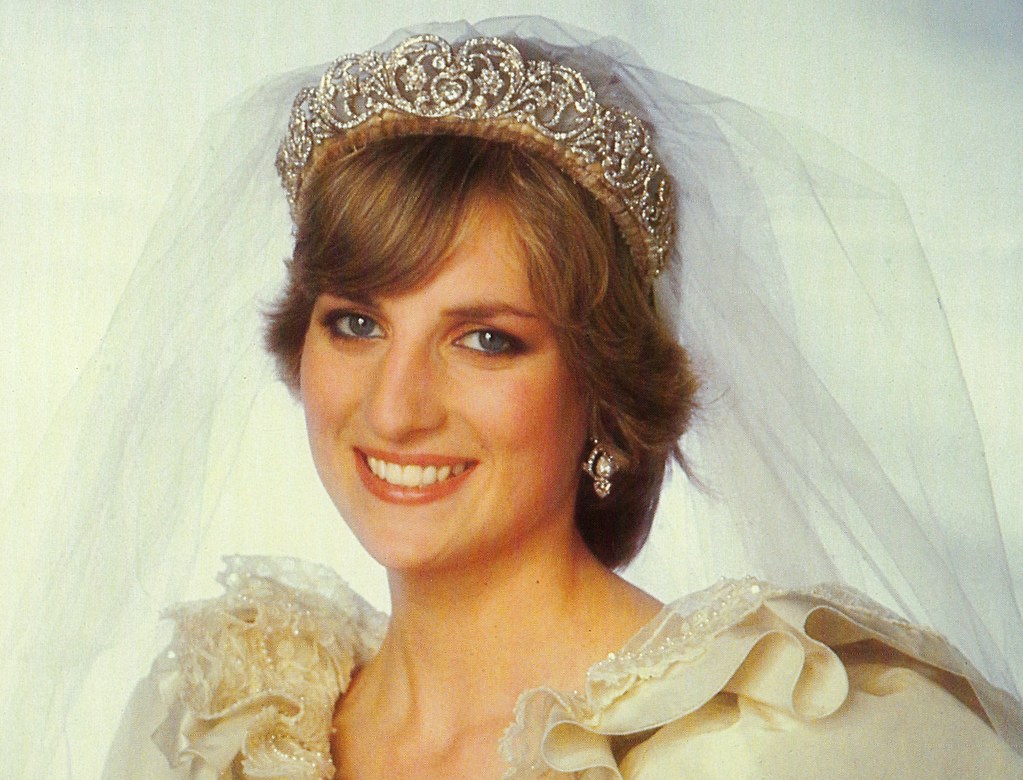
Children born today, soon 30 years after her death, still learn her name and recognize her face. But what about in the future? Will she fade into the history of royal figures, or will she instead be remembered for her spirit, humanitarian endeavours or as an style icon? It is hard to predict, but what I do believe is that she would not be remembered in the same way had she not died when she did.
But who was she, really? Andrew Morton had the privalage to observe her closely for many years, and he wrote:
“In her life Diana was a complex web of contradictions; fearless yet frail, unloved but adored, needy but generous, selfobsessed yet selfless, inspirational yet despairing, demanding of advice but disliking criticism, honest yet disingenuous, intuitive yet unworldly, supremely sophisticated yet constantly uncertain, and manipulative but naïve. She could be wilful, exasperating, a flawed perfectionist who would disarm with a self-deprecating witticism; her penetrating, cornflower-blue eyes seduced with glance. Her language knew no boundaries; her lexicon was that of a smile, the caress, the hug and the kiss, not the statement or the speech.”
If you don’t recognise yourself in any of these adjectives I believe you are a bit delusional. It is therefore easy to relate to Diana, one way or the other. As Morton describes her language, her lexicon, were soft and caring. In her we see a mother, best friend, sister, or daughter. She was in no doubt desirable for many generations of men too.
It will be hard to explain Diana and the phenomenon she was. But for the generations touched by her grace, she will live on. What happens after that is not for us to decide. Surely some other woman will have a similar impact on future generations. She is ours.
For us she will live on. For selfish reasons, sure, but we need to hold on to her convictions and ideal. I remind myself by watching her on video, reading about her, or even watch actors portray her in different productions. Small reminders of her help me find my path to a fun, beautiful and elavated life.
 The Royal T
Leave a comment