10 Extraordinary things at Kate and William’s Wedding
On the morning of the wedding, according to Prince Harry’s memoir Spare, Prince William was “drunk”. Harry described trying to wake up a “tipsy” William on the morning of his wedding day, who had been drinking rum to calm his nerves after greeting crowds outside Clarence House. To help him sober up before the ceremony, Harry took his brother for a walk to wake him up and offered him mints.
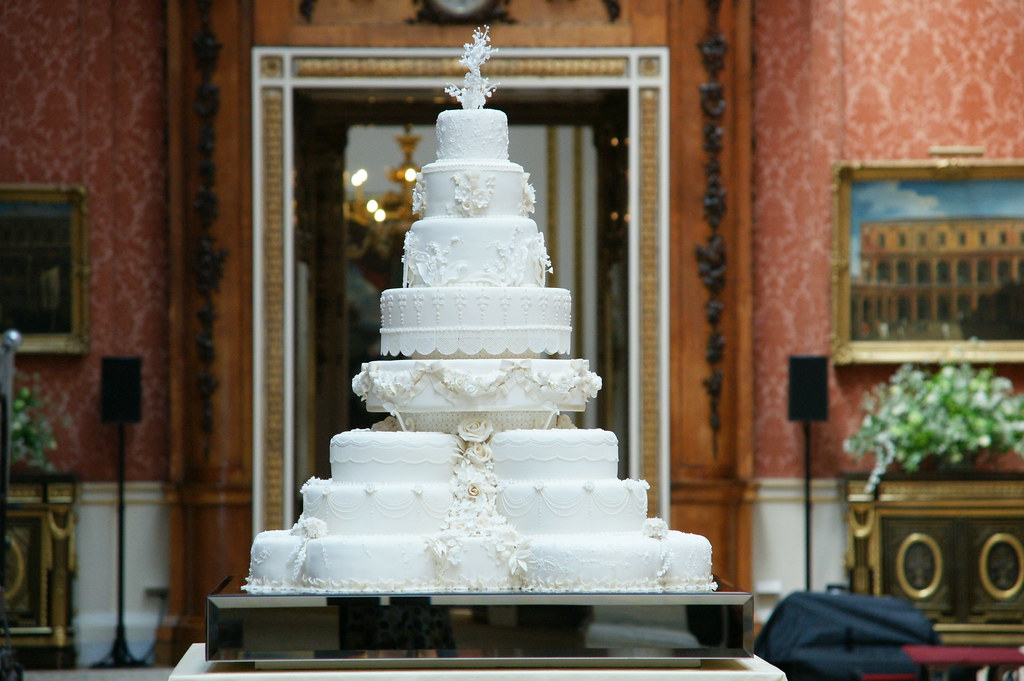
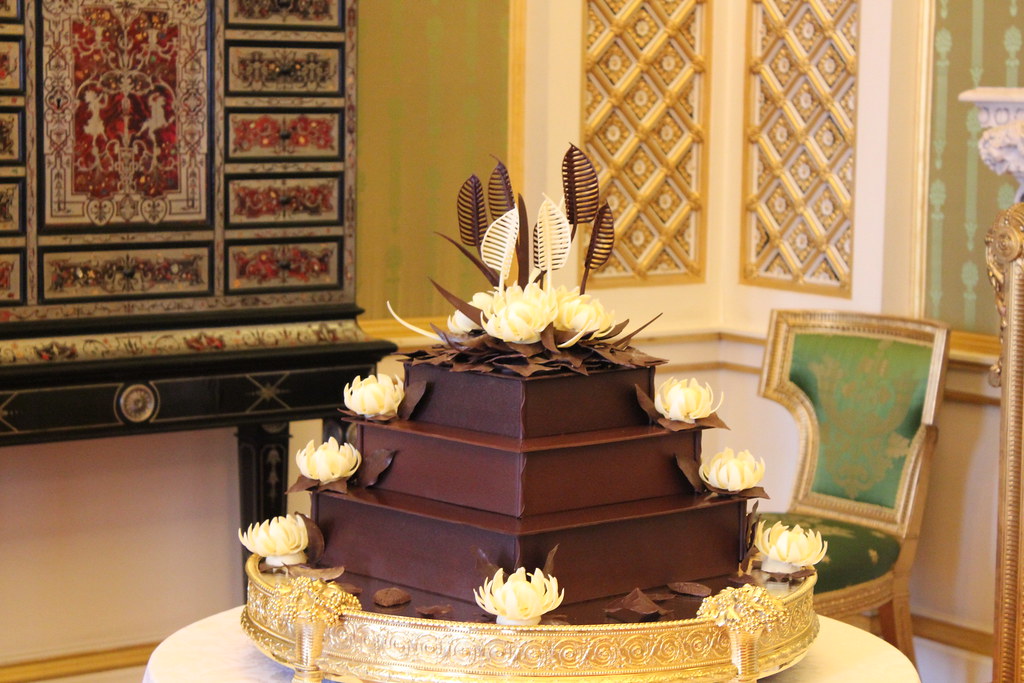
As well as the principal cake, William specially requested a chocolate and biscuit cake. The couple asked McVitie’s Cake Company to create a chocolate biscuit cake for the reception at Buckingham Palace. The cake was made from a Royal Family recipe.
Their eight-tier fruitcake from pastry chef Fiona Cairns and her teamThe Chocolate biscuit cake
Their wedding on Friday, April 29, 2011, was declared a national bank holiday across the United Kingdom. Then-Prime Minister David Cameron announced this to allow the public to celebrate the “momentous occasion”.
Honoring Diana
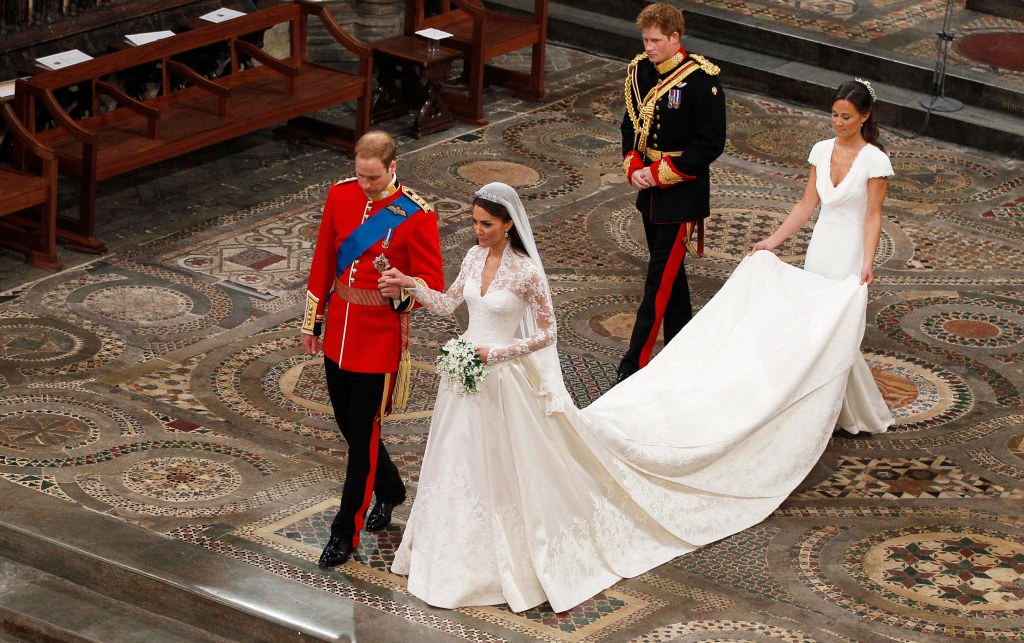
William and Kate got married on the same day as Charles and Diana, on the 29th. The now King and former Princess of Wales got married in sunny July 29, 1981, at St. Paul’s Cathedral. Their son William and his Catherine got married on 29th of April 2011 in Westminster Abbey.
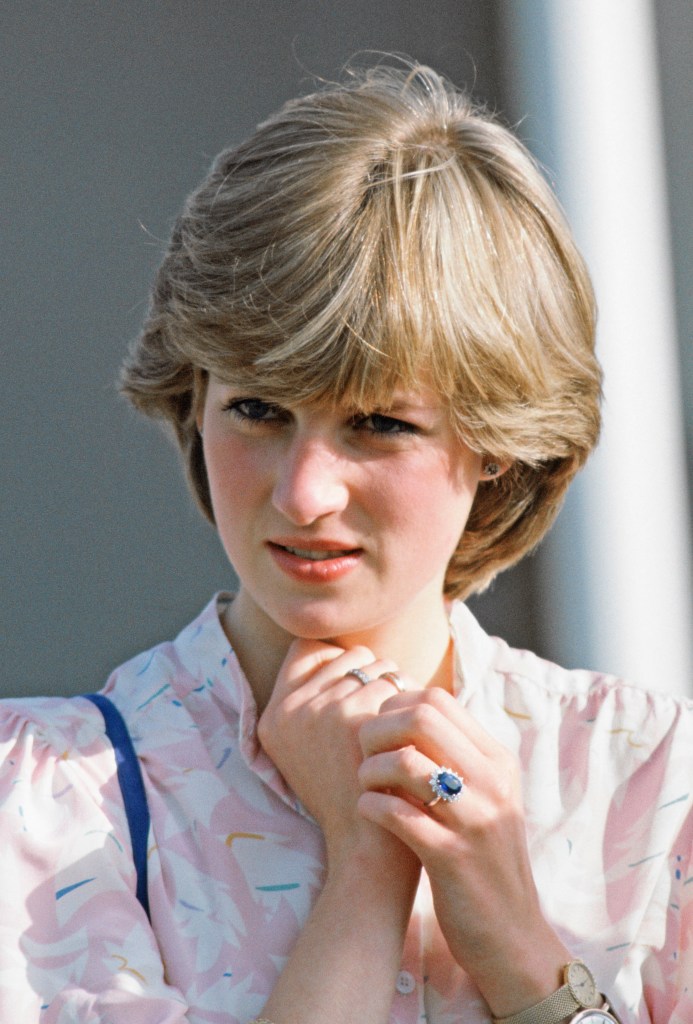
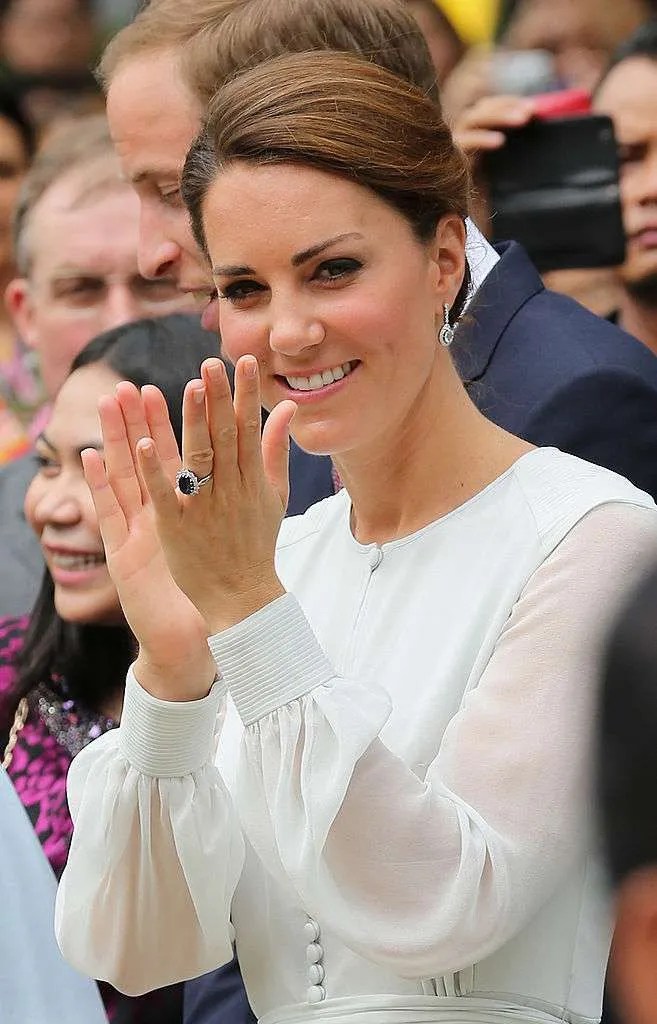
Kate honored Diana in different ways. She wore her engagement ring, the 12 carat oval Ceylon sapphire surrounded by 14 round diamonds and set in white gold. What is perhaps less widely known is that Kate also had a discreet blue ribbon sewn into her dress as her “something blue”, just as the groom’s late mother had done 30 years earlier.
Kate decided not to “ obey” William in the marriage vows, following in the footsteps of Princess Diana.
Style
Kate did not do her own makeup. Long-held reports that the bride did her own makeup for her wedding are incorrect. Makeup mogul Bobbi Brown confirmed in 2025 that her artist, Hannah Martin, actually did the makeup. While Kate did have makeup lessons, Martin was responsible for the final look.
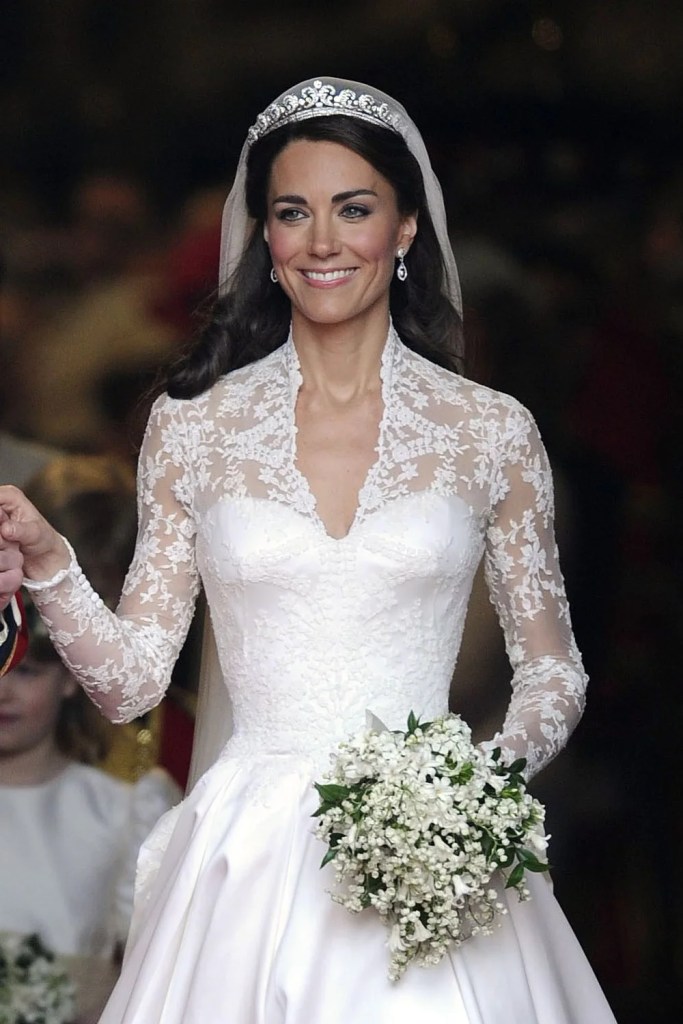
Kate wore her hair in a half-up, half-down style, something rare for royal brides. She is one of few royal brides to not have an updo. “Royal sources tell me that the royals indicated very strongly to Kate that they would prefer her to wear her hair up for this very special occasion,” explained royal reporter Ashley Pearson.
“Kate had her heart set on wearing her hair down with long flowing curls, which is her favourite way to wear it, and actually William’s favourite as well. They ended up compromising on her look.”
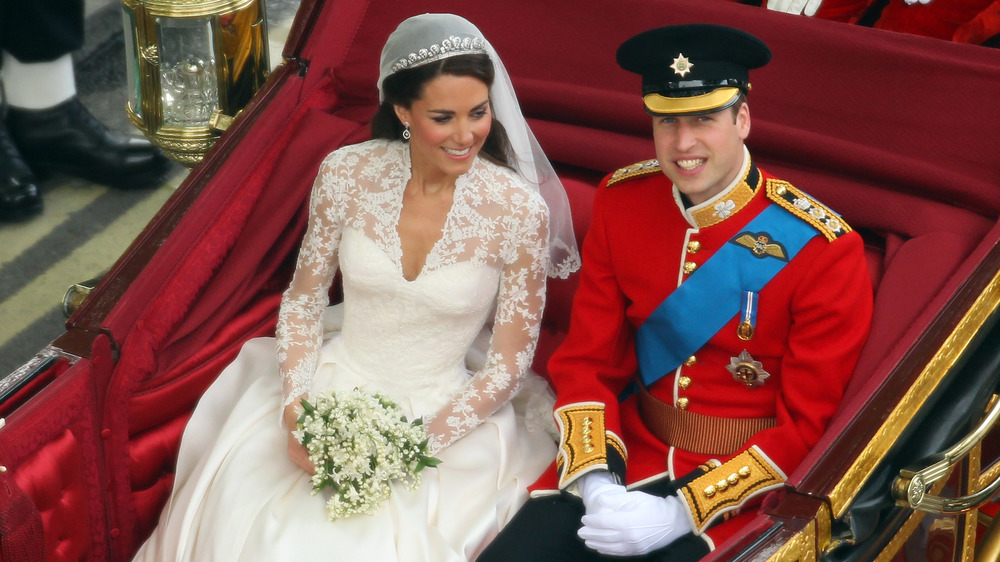
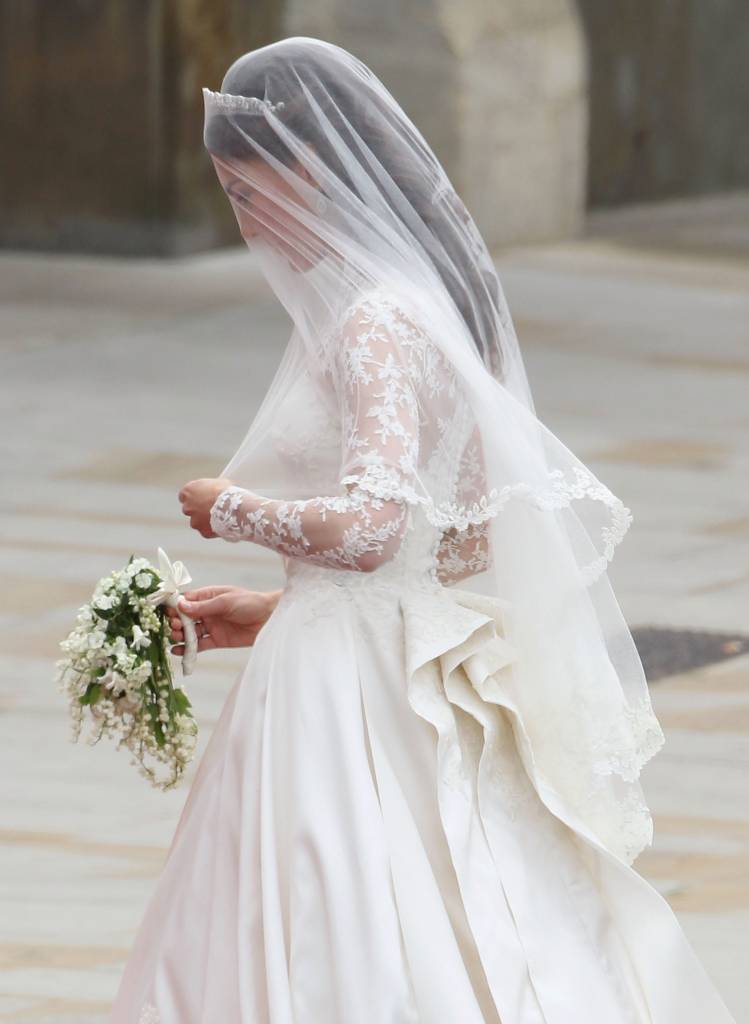
Kate, now the Princess of Wales, wanted a wedding gown that combined “tradition and modernity with the artistic vision that characterises Alexander McQueen’s work”, the Palace said. Burton, who had been McQueen’s right-hand woman for years, was named as the designer’s successor after he tragically took his own life in 2010.
The train was nine feet long, and the veil had four motifs hand-embroidered in the soft, ivory silk tulle. The design incorporated the rose, the thistle, the daffodil, and the shamrock, to represent each of the four countries that make up the United Kingdom. The Cartier Halo tiara had 888 diamonds and was loaned to Kate for the occasion, by the Queen.
The bride’s bouquet, though small, carried a lot of meaning. The green and white motif consisted of five home-grown British floral varieties. There were myrtle, hyacinths, Lily of the valley, ivy and “Sweet William”. The composition lookt effortlessly simple, but the truth is that each option had meaning and were combined with extreme care. Designers snipped the sprig of myrtle from the same plant that provided stems for Queen Elizabeth’s bouquet in 1947. The tradition of putting myrtle in royal bride’s wedding bouquets dates back to 1858, when Queen Victoria’s eldest daughter, Princess Victoria, carried it on her wedding day. It was used to signify the traditional innocence of a bride.
In Kate’s bouquet the myrtle and hyacinth represented the emblem of marriage and love. The ivy represented fidelity, marriage, wedded love, friendship and affection. Lily of the valley symbolised the return of happiness, and “Sweet William”, as well as being a tribute to the groom, stands for gallantry. It is obvious that the small bouquet carried immense significance for the bride and groom on their big day.
 The Royal T
Leave a comment