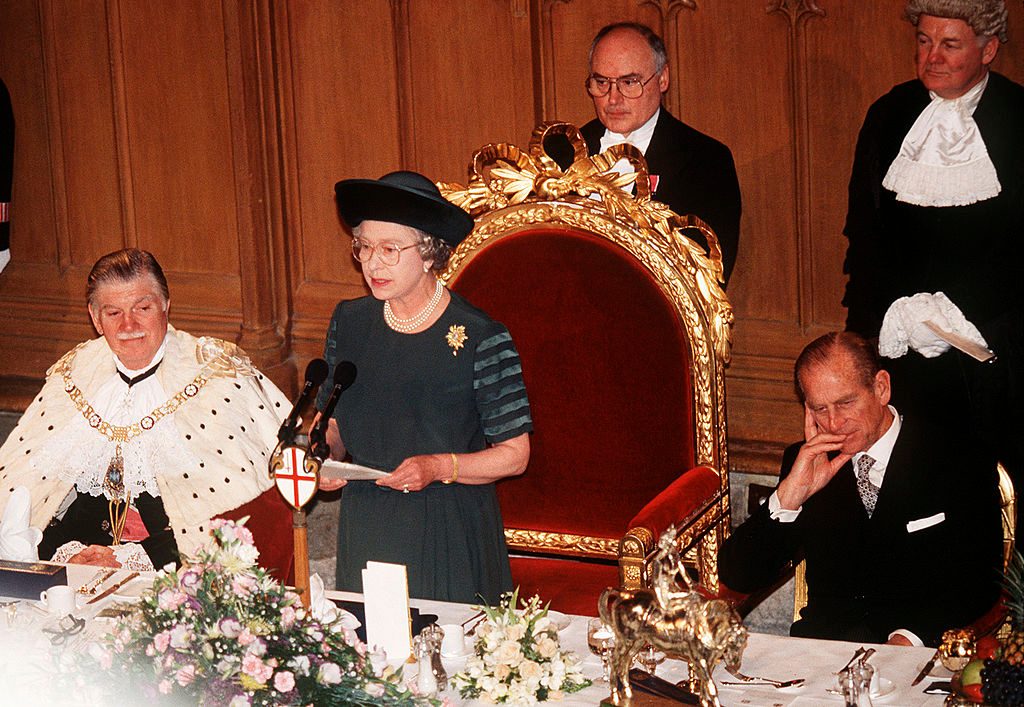
In 1992, Queen Elizabeth II stood before guests at London’s Guildhall to mark the 40th anniversary of her accession. Instead of offering a purely celebratory reflection, she delivered a phrase that would define that year in royal history:
“1992 is not a year on which I shall look back with undiluted pleasure… It has turned out to be an annus horribilis.”
The Latin phrase, meaning ‘horrible year,’ sounded restrained and dignified, but it was in fact a remarkably rare glimpse of the Queen expressing her personal feelings. She was not one to show such emotions in public. But behind it lay a year of public scandal, private heartbreak, and national scrutiny.
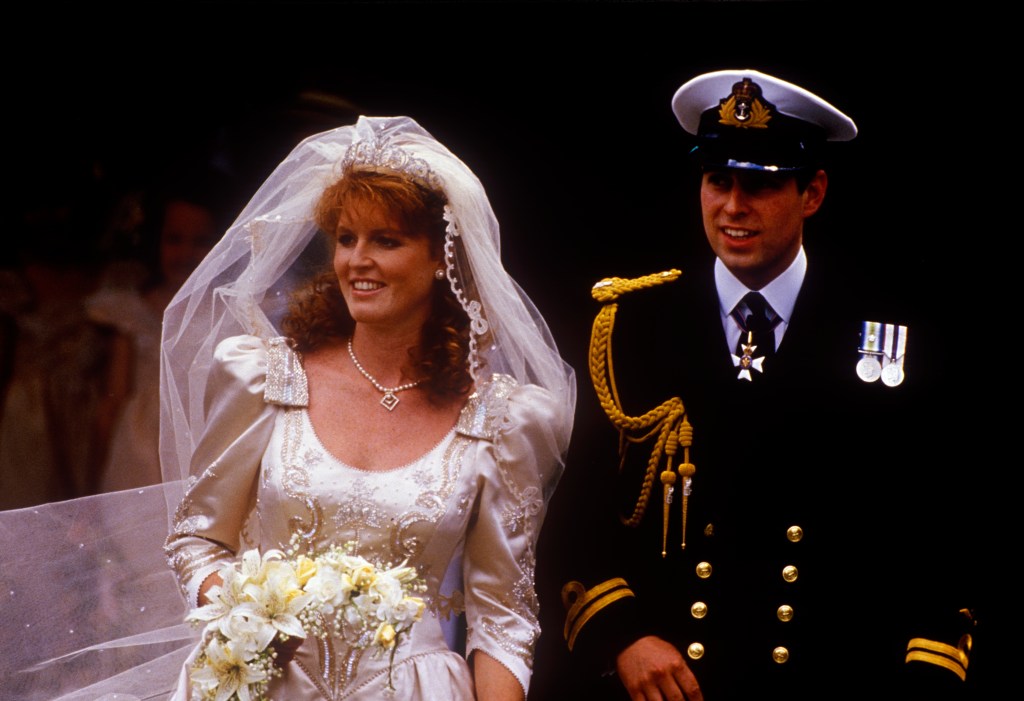
- March – The Separation of Andrew and Sarah
After six years of marriage, Prince Andrew, Duke of York and Sarah, Duchess of York separated. The reason for this is said to have been his naval career, long absences, and her struggle with royal life. For a monarch whose reign had emphasized stability, continuity, and family duty, the personal fractures were painfully public. Tabloid photographs that summer intensified public criticism and embarrassment.
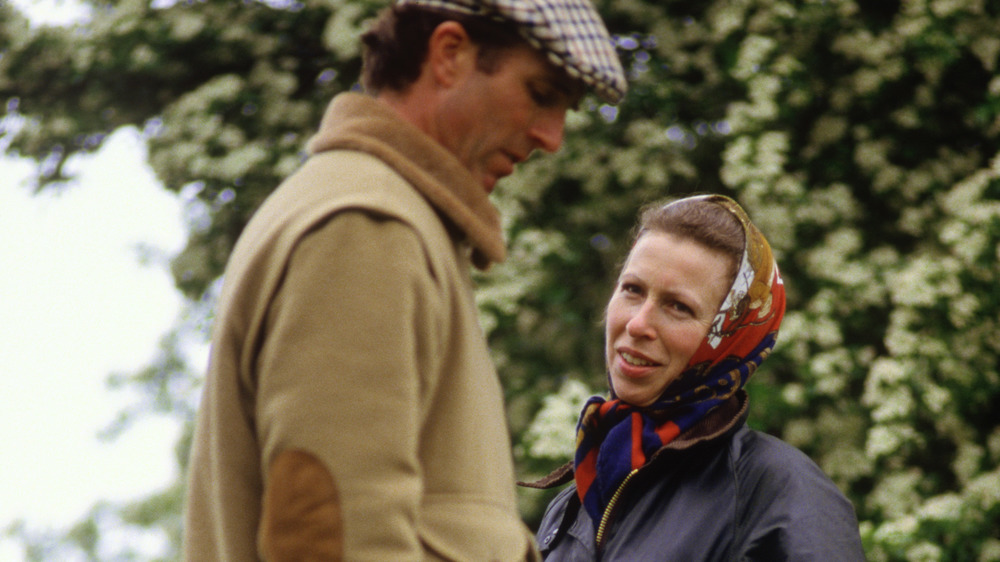
- April – Princess Anne’s Divorce
Anne, Princess Royal divorced Captain Mark Phillips after years of separation. Although she would later marry royal navy officer Timothy Laurence, the dissolution of her first marriage added to the sense of instability within the royal household.
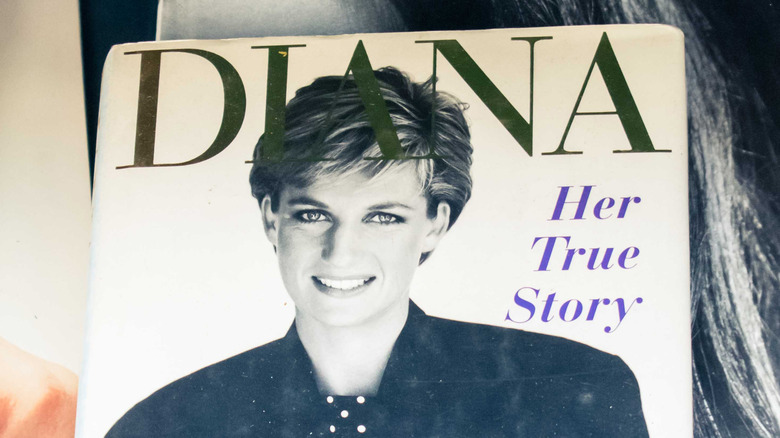
- June – The Book
The publication of Diana: Her True Story by Andrew Morton was most damaging to the monarchy. The book revealed intimate details about the troubled marriage between Diana and Charles, including allegations of unhappiness, infidelity, and Diana’s struggles with mental health. Although the princess’s direct involvement in the book was not publicly confirmed until years later, its publication intensified media scrutiny of the royal family and shattered the image of harmony.
- August – The “Squidgygate” Tapes
The Sun leaked a phone conversation from 1989 between Diana, Princess of Wales and her friend James Gilbey. The tapes revealed intimate chat, including the nickname “Squidgy”, and highlighted intense press intrusion, security vulnerabilities, and the breakdown of her marriage. The incident increased tension between the Royal Family and the media, and contributed to the narrative surrounding the separation of the Prince and Princess.
- November – Windsor Castle in Flames
If the family turmoil dominated headlines, November brought literal fire. On the 20th, the Queen and Prince Philip’s 45th wedding anniversary, a blaze broke out at Windsor Castle. The fire raged for hours, destroying or severely damaging more than 100 rooms, including historic State Apartments. Though priceless artworks were saved through swift action, the symbolic blow was immense. Windsor was not just a residence; it was a living emblem of monarchy and the Queen’s childhood home. The question of who should pay for restoration, the public or the royal family, triggered heated debate about cost, privalage and relevance, and it was like salt in the wound for the Queen.
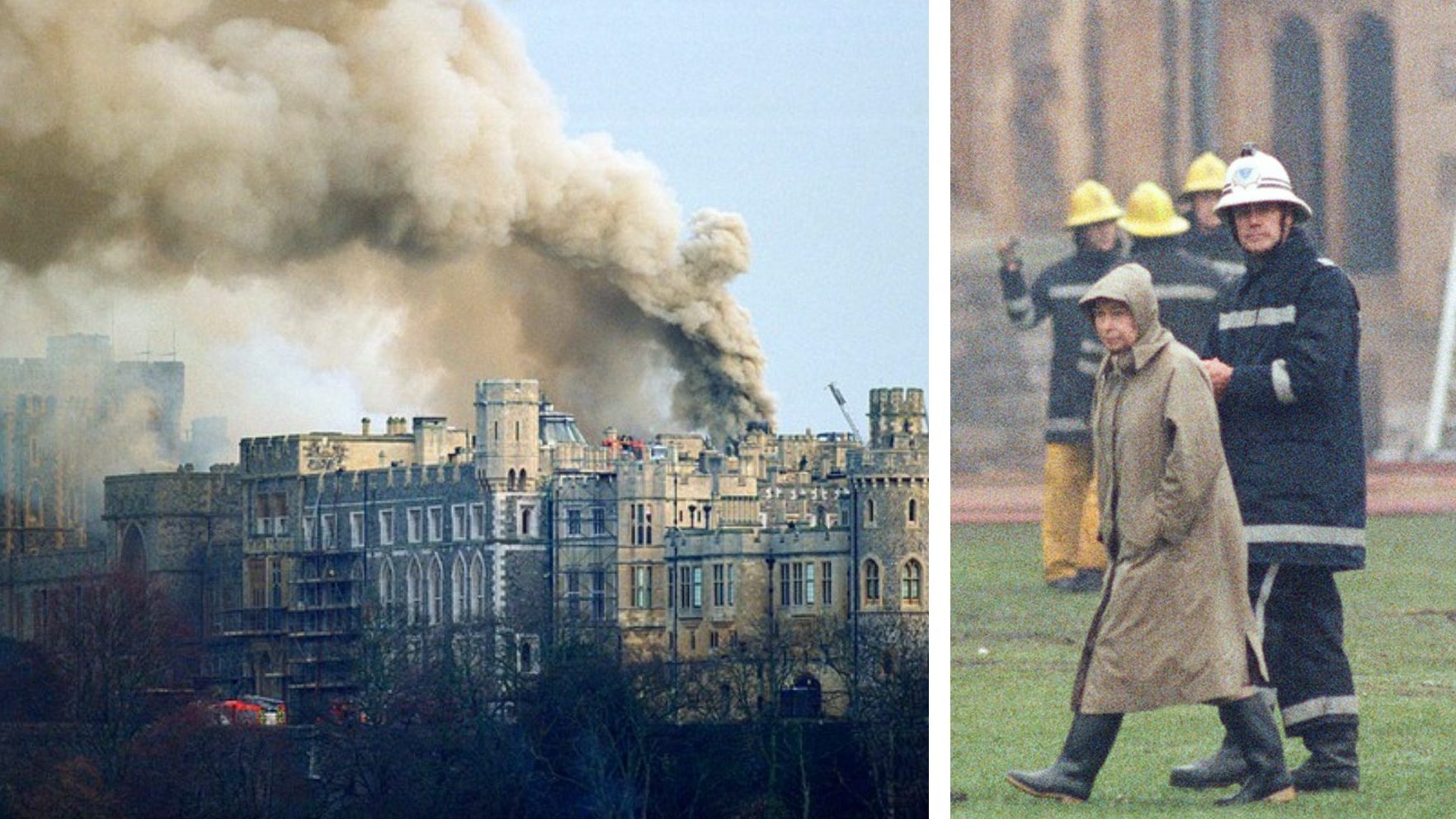
24 November 1992: The Queen held her speech.
But there was more to come…
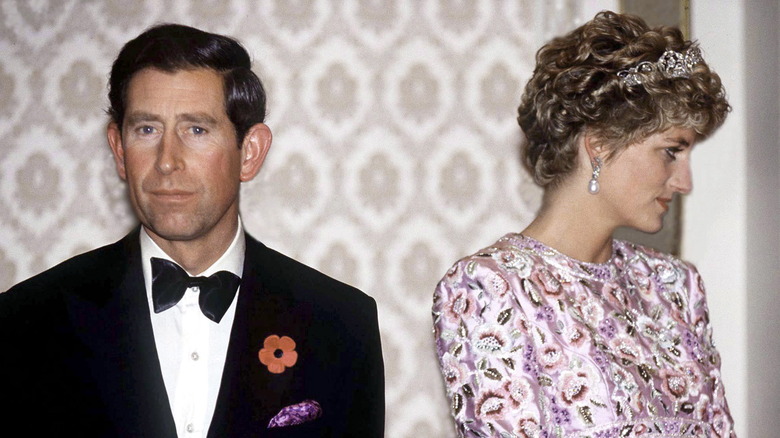
- December – The Separation of Charles and Diana
Prime Minister John Major announced to Parliament that the Prince and Princess of Wales had formally separated. Their marriage had already been under intense media examination, but the official confirmation marked a turning point. The heir to the throne’s personal life had become a matter of national, and global, drama.
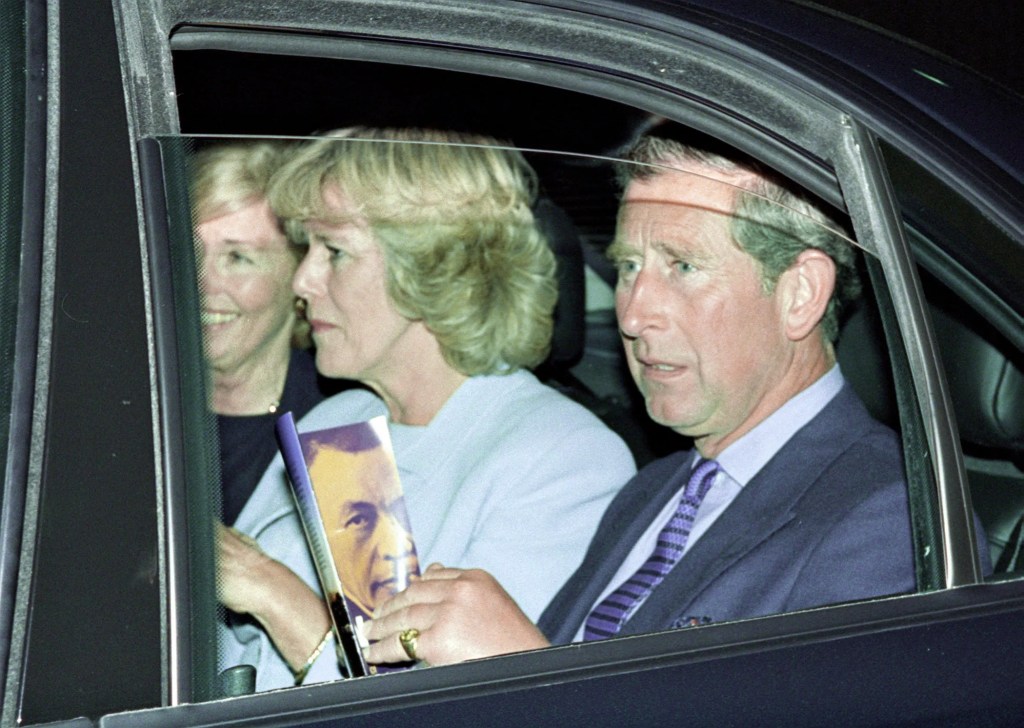
- January – Camillagate
Camillagate (or “Tampongate”) refers to an intimate phone conversation between Prince Charles and Camilla Parker Bowles that was recorded and subsequently published in the tabloid press. The call itself was recorded on December 18, 1989, but the scandal broke four years later, shortly after Charles and Diana’s separation. This significantly damaged Charles’s public image and fueled the narrative of the breakdown of his marriage.
- A Changing Britain
The early 1990s were already a period of transition in the United Kingdom: recession, evolving media culture, and rising tabloid aggression. The royal family, once buffered by deference, now lived in a 24-hour news cycle hungry for scandal. The Queen, who had ascended the throne during an era of postwar unity and reverence, was navigating a Britain far more skeptical of institutions.
 The Royal T
Leave a comment