The story of the British royal family is not just a family saga, it is the story of Britain itself. For more than a thousand years, the monarchy has evolved from absolute rule to constitutional symbolism, surviving civil war, scandal, reform, and reinvention.
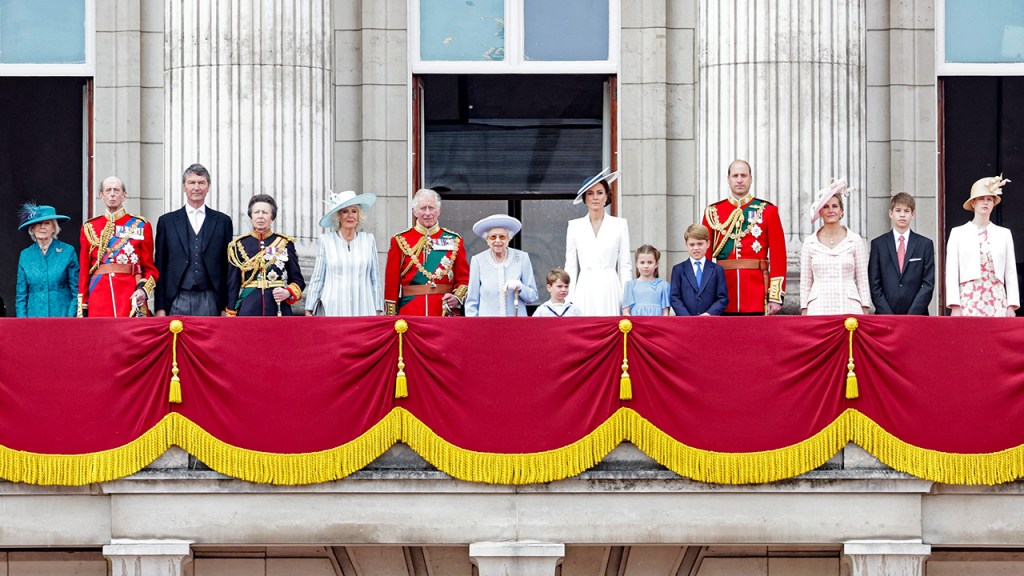
The roots of the English monarchy stretch back to the early medieval kings of Anglo-Saxon England. After the Norman Conquest in 1066, when William the Conqueror seized the throne, the monarchy became more centralized and deeply intertwined with European politics. For centuries, kings and queens ruled with sweeping authority, their power believed to be divinely sanctioned.
That authority was first meaningfully limited in 1215 with the Magna Carta, a foundational document that curbed the king’s power and planted early seeds of constitutional government. Over time, Parliament grew in influence, but tensions between Crown and country remained, culminating in the English Civil War in the 17th century. King Charles I was executed in 1649, an unprecedented moment that temporarily abolished the monarchy altogether.
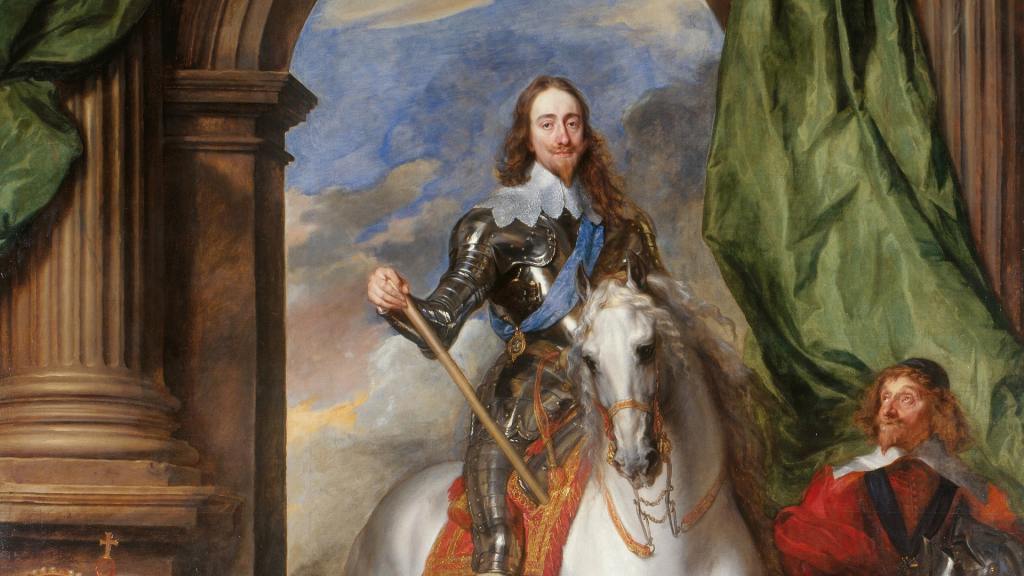
The monarchy was restored in 1660, but it never fully regained absolute power. The Glorious Revolution of 1688 firmly established parliamentary supremacy. From that point forward, British monarchs ruled not by political control, but through constitutional duty.
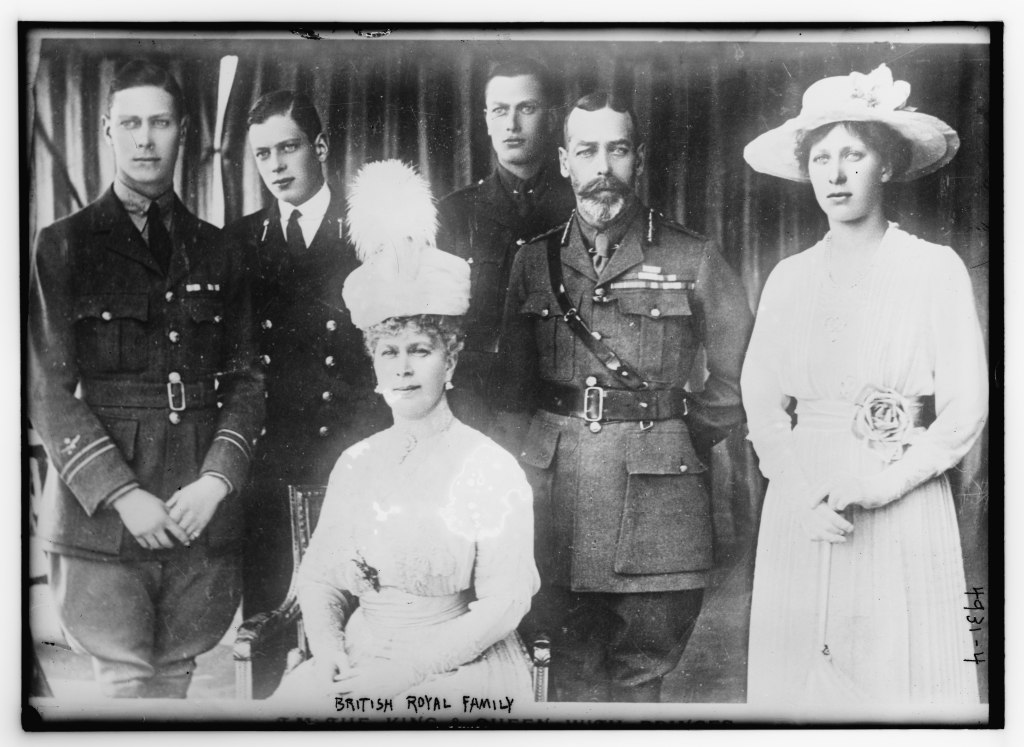
The 19th century saw the monarchy reshaped by Queen Victoria, whose long reign (1837–1901) restored stability and moral authority to the institution. The modern royal family, however, truly began to take shape in the 20th century. During the First World War, the royal house changed its name from the German-sounding Saxe-Coburg and Gotha to Windsor. A strategic move to preserve public trust.
The abdication of King Edward VIII (Queen Elizabeth II’s uncle), came as a chock to the whole world. His decision to marry Wallis Simpson, an American divorcée, set off a constitutional crisis that exposed the delicate balance between personal desire and royal duty. At the time, the monarch was not merely a symbolic figure but also Supreme Governor of the Church of England, which did not permit the remarriage of divorced persons with living former spouses.
Edward’s abdication thrust his younger brother, Albert, who then became King George VI, onto the throne. Shy, reserved, and burdened by a debilitating stammer, he had never expected to rule. Yet it was precisely his sense of responsibility and quiet determination that reshaped the monarchy’s image. He ruled for 16 years during one of the most turbulent periods in British history: the Second World War. Alongside his wife, Queen Elizabeth (later known as the Queen Mother), he chose to remain in London during the Blitz, refusing to leave the capital even as bombs fell. This decision strengthened public morale and transformed the monarchy into a visible symbol of national resilience.
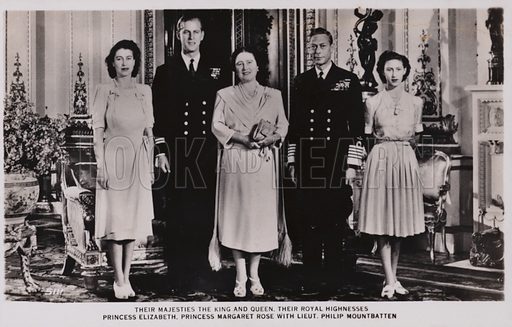
The reign of Queen Elizabeth II marked a defining era. Ascending the throne in 1952, she became a symbol of continuity through decolonization, cultural transformation, political change, and the rise of mass media. The monarchy adapted, sometimes slowly, sometimes reluctantly, to a world of television, tabloids, and global scrutiny.
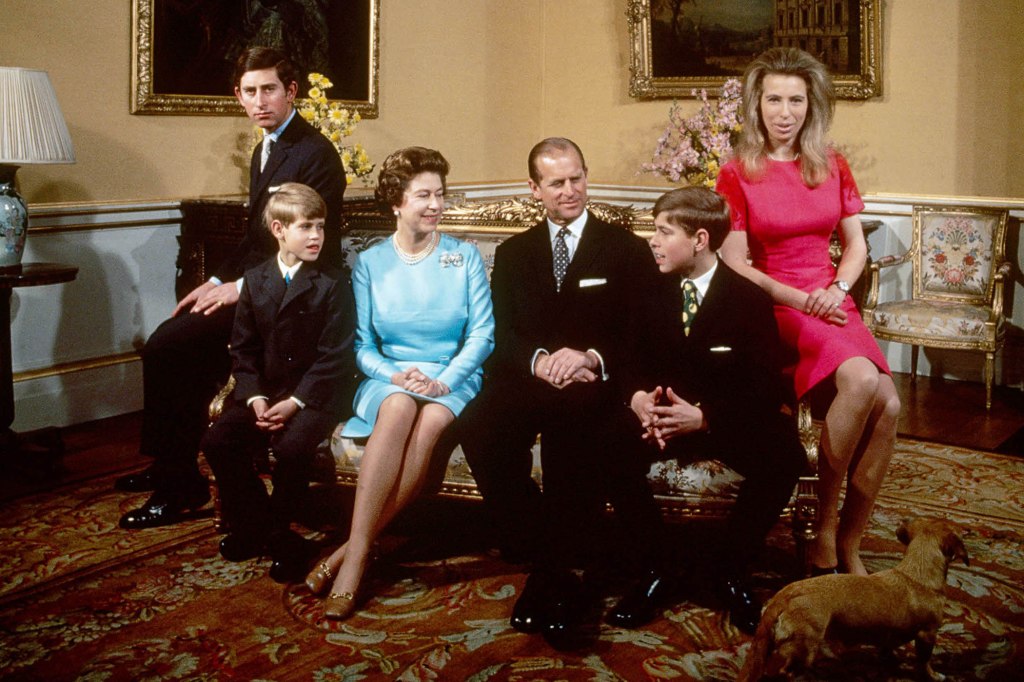
Today, under King Charles III, the monarchy continues its delicate balancing act: maintaining centuries of tradition while responding to modern expectations of transparency, relevance, and accountability.
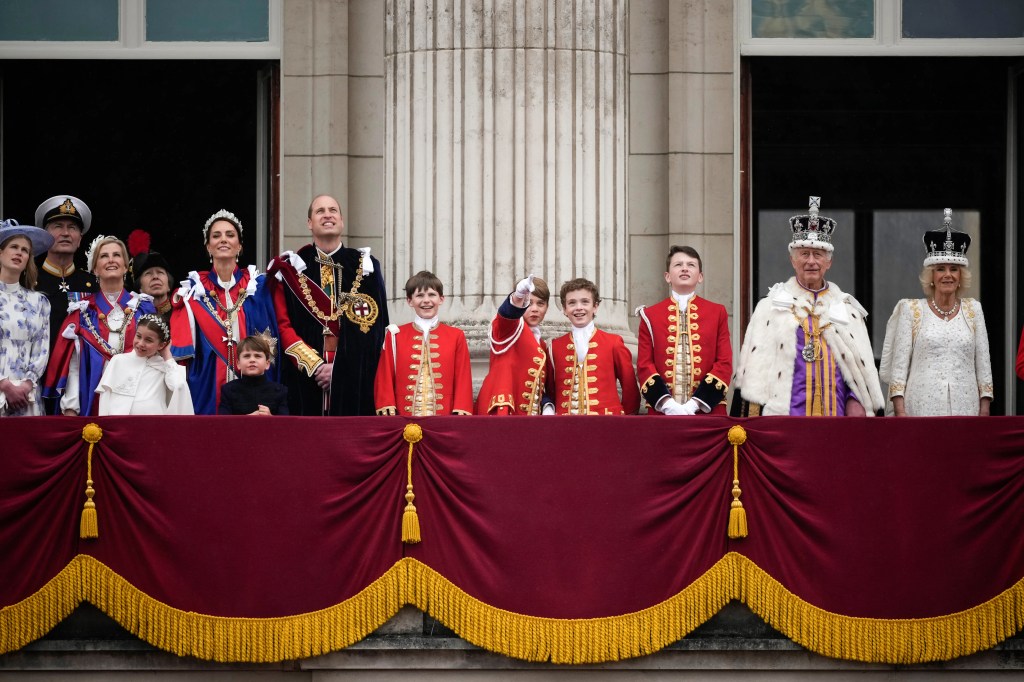
Throughout its history, the British monarchy has endured not because it remained unchanged, but because it evolved. Its power is no longer political, it is symbolic. And symbols, perhaps more than laws, are what bind nations together.
 The Royal T