A new bombshell has hit The Royal Family. Charles Spencer, Princess Diana’s brother, has released a new biography about his sister, prompting Buckingham Palace to respond to his allegations. But is this really the kind of attention Diana would have wanted?
This week sees the publication of yet another book about the late Princess Diana. In Swan Song: Diana, My Sister, her brother Charles Spencer shares his version of events and levels fresh accusations against King Charles III. The book has already generated headlines around the world, and Buckingham Palace has taken the unusual step of publicly challenging parts of its content.
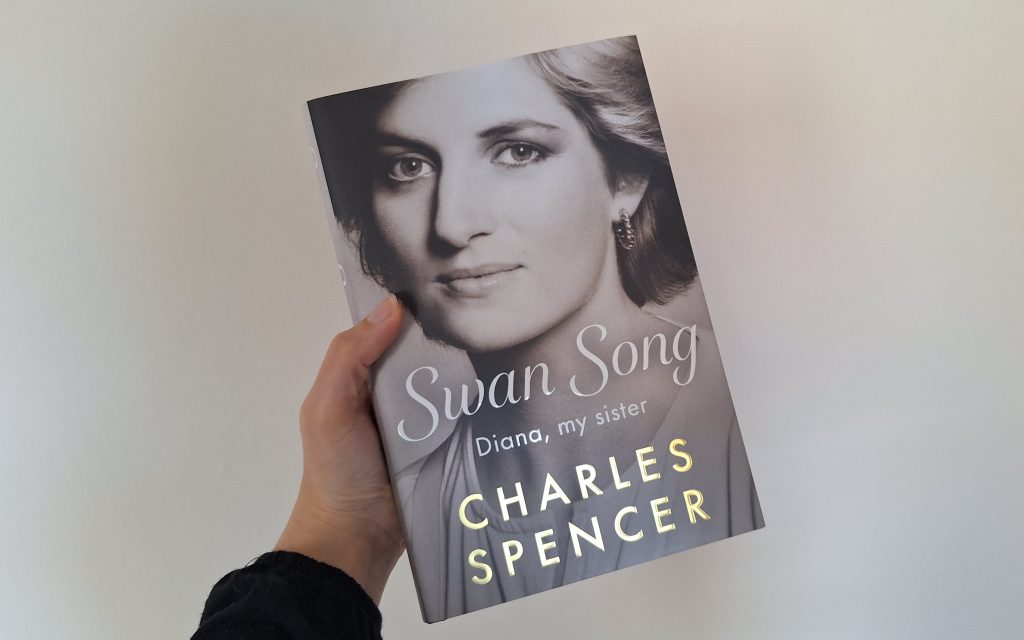
Spencer claims that the then-Prince Charles said, shortly after Diana’s death, “We’ll forget her soon enough.” The remark was allegedly made during a disagreement over whether Princes William and Harry should walk behind their mother’s coffin. Spencer also describes Charles as “giddily elated” during a phone call after her death. Buckingham Palace has disputed his account, arguing that grief can affect memory and judgement. Spencer, however, stands by his recollections.
If those quoted words were indeed spoken, they are deeply ironic today. Few people in modern history have proven so impossible to forget. Nearly three decades after that August night in Paris, Diana has never truly been allowed to rest. She remains the subject of documentaries, podcasts, television dramas, films, newspaper articles and countless books. Her life continues to be dissected with an intensity that few other deceased public figures endure.
The question is: why?
The simple answer is that Diana still sells. She is not merely a historical figure; she is a global brand. The name Diana generates clicks, viewing figures and book sales. Charles Spencer has previously said that he would never profit from his sister’s death. One could argue that this book does exactly that. In interviews, he has claimed that Diana would approve of every word he has written, but nobody can know that. It is long past time to stop pretending we know what Diana would have wanted to say.
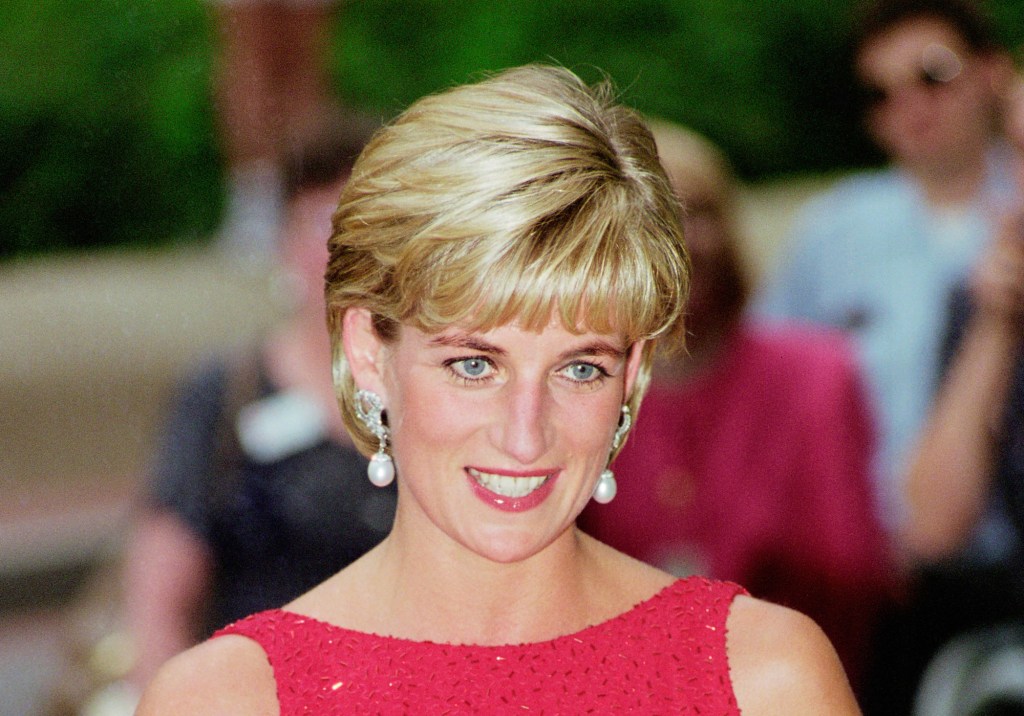
Many people prefer to see Diana as the eternal victim: the young woman who married into an institution where she never truly fit in, the woman pursued by photographers and betrayed by her husband. She was immensely privileged, yet somehow relatable. At the same time, she understood how to use the enormous public attention that followed her.
In her famous 1995 Panorama interview, Diana said: “She won’t go quietly, that’s the problem. I’ll fight to the end, because I believe that I have a role to fulfill, and I’ve got two children to bring up.”
Those words reveal much about how she saw herself: as someone with a mission. She knew she could make a difference, and the causes she championed received worldwide attention. Among other things, she supported people experiencing homelessness and those living with HIV and AIDS. During her final years, she also became a powerful international voice against landmines. Her public impact was therefore not simply the result of people looking at her; it was because she used that attention to direct the world’s gaze towards something larger than herself.
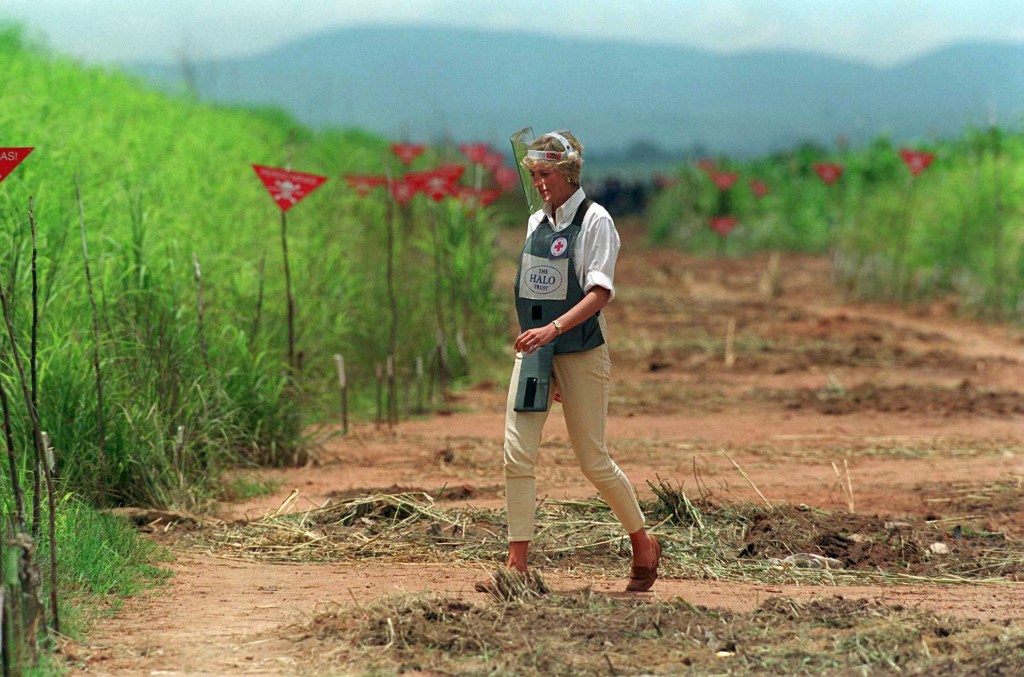
Yet her name continues to attract more attention than the causes she fought for. We spend hours debating who said what after her death, who walked behind the coffin, and what Charles was really thinking. Meanwhile, Diana’s actual legacy risks being overshadowed by yet another round of royal drama.
It is understandable that historians wish to document her life. It is entirely reasonable for journalists to scrutinise the monarchy. But somewhere there is a line between remembrance and exploitation. Why the world remains unable to let go of its fascination with Diana is a question for behavioural scientists. Perhaps it says less about her than it does about us.
Diana wanted the world to see something greater than herself, yet that is what we still seem unable to do. Is more gossip really the best way to honour her memory?


Leave a comment